
How to Properly Use a Salt Lick for Horses: Benefits, Placement, and Feeding Tips
- Rometheme
- 26 Jan, 2024
How to Properly Use a Salt Lick for Horses
Providing the right nutrition is an important part of responsible horse care. Horses need a balanced diet that includes essential nutrients, minerals, fresh water, and adequate energy for their daily activities. One simple way to provide an important mineral source is through a horse salt lick.
Salt licks are commonly used in stables, pastures, farms, and equestrian facilities. They provide horses with access to salt in a convenient solid-block form. However, simply placing a salt block in a pasture is not the whole process. Proper placement, monitoring, storage, and access to fresh water are all important considerations.
Why Is Salt Important for Horses?
Salt provides two essential electrolytes: sodium and chloride. These minerals are involved in several normal functions within a horse’s body, including fluid balance, nerve signaling, and muscle function.
Horses can lose electrolytes through sweat, particularly during exercise and hot weather. Providing access to salt can help ensure that salt is available as part of the horse’s overall nutritional program.
The exact amount of salt a horse needs can vary depending on its diet, body size, activity level, environmental conditions, and amount of sweating. Therefore, salt intake should always be considered alongside the horse’s complete feeding program.
Choose the Right Type of Salt Lick
The first step in using a salt lick properly is selecting a product that is appropriate for horses. Salt licks are available in different sizes, shapes, compositions, and formulations.
A suitable horse salt lick should be made specifically for animal use and should come from a reliable manufacturer. Buyers should consider factors such as product purity, block density, durability, packaging, and manufacturing standards.
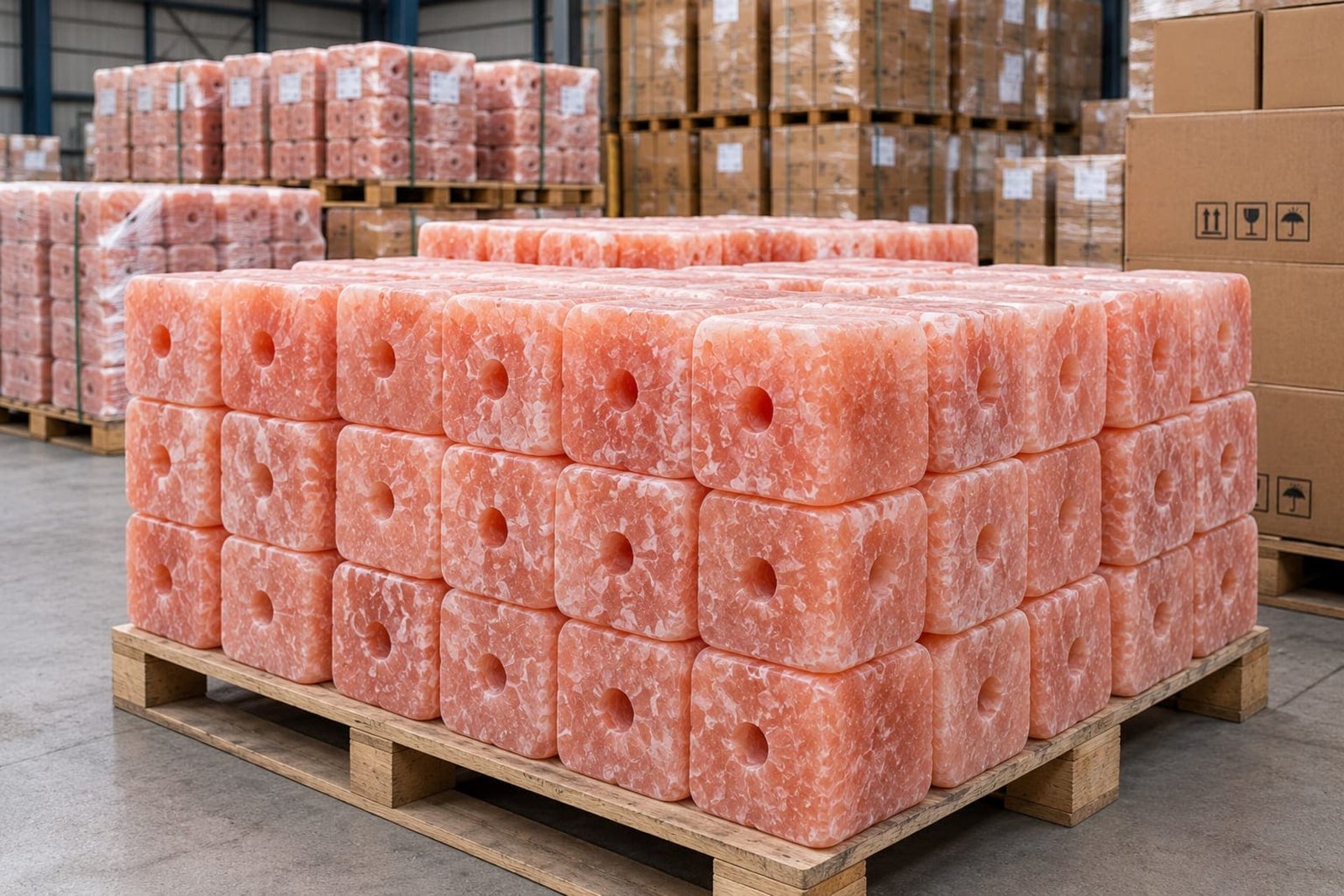
Himalayan salt licks are another option for horse owners. Made from natural rock salt, these blocks are valued for their solid structure and naturally occurring mineral content. Their durability also makes them practical for stable and pasture environments.
Place the Salt Lick in an Accessible Location
Once you have selected an appropriate salt lick, placement is important. The block should be positioned somewhere the horse can easily access without creating a safety hazard.
For horses kept in a stable, the salt lick can be placed in an appropriate feeding or resting area. For horses kept in a pasture, it can be positioned in a sheltered location where it remains accessible to the animals.
Avoid placing the block directly in areas where mud, manure, or excessive moisture could contaminate it. A clean and relatively dry location can help maintain the quality of the salt lick.
Always Provide Fresh Water
Fresh, clean drinking water should always be available when a horse has access to a salt lick. Salt intake can influence water consumption, and adequate water access is an essential part of horse management.
Water containers should be checked regularly and kept clean. During hot weather or periods of increased activity, horse owners should pay particular attention to water availability.
For horses that exercise heavily or sweat significantly, their overall hydration and electrolyte management may require additional consideration from an equine veterinarian or qualified nutrition professional.
Monitor How Much Salt Your Horse Consumes
One of the most important parts of using a salt lick is monitoring consumption. Horses have individual preferences and feeding behaviors. Some horses may use a salt block frequently, while others may consume very little from a block.
Regularly checking the salt lick can help you understand how quickly it is being consumed. If the block disappears unusually quickly or remains untouched for a long period, it may be worth reviewing the horse’s overall feeding routine.
Monitoring is especially useful when introducing a new type of salt lick. It allows owners and stable managers to understand how individual horses respond to the product.
Keep the Salt Lick Clean and Dry
Environmental conditions can affect a salt block. Rain, mud, dust, and other contaminants can reduce its cleanliness and usability.
If the salt lick is kept outdoors, consider using a sheltered feeding area or suitable holder that protects the block from unnecessary exposure to weather. The holder should also be secure and designed to prevent the block from becoming a potential hazard.
Inspect the salt lick regularly. If it becomes heavily contaminated or damaged, replace it with a clean block.
Consider Your Horse’s Activity Level
Not every horse has the same nutritional requirements. A horse that spends most of the day resting may have different needs from a performance horse involved in regular training.
Weather can also make a difference. Horses exercising in warm or humid conditions may sweat more than horses exercising in cooler weather. Increased sweating can result in greater electrolyte losses.
For this reason, horse owners should consider activity level, weather, diet, and sweating when managing salt intake. A salt lick is one part of the overall nutrition plan rather than a complete nutritional solution by itself.
Salt Licks for Pasture and Stable Horses
Salt licks can be used in different horse-management environments. For pasture horses, a durable block can provide convenient access without requiring loose salt to be mixed into feed.
For stable horses, salt blocks can be placed in suitable areas where the horse can access them safely. They can also be useful for farms and equestrian facilities managing multiple horses.
Regardless of the environment, the same basic principles apply: provide appropriate access, maintain cleanliness, protect the block from contamination, and ensure that fresh water is always available.
When Should You Replace a Salt Lick?
A salt lick should be replaced when it has been consumed, becomes heavily contaminated, or is no longer suitable for use. Regular inspection makes it easier to determine when a replacement is needed.
Stable managers with multiple horses may want to maintain a simple schedule for checking salt blocks, water containers, and feeding areas. This can help ensure that horses consistently have access to the resources they need.
What Should Horse Owners Look for in a Salt Lick?
When purchasing a salt lick, several factors should be considered before making a selection:
- Animal suitability: Choose a product specifically intended for horses or appropriate livestock.
- Quality: Look for consistent production and reliable sourcing.
- Durability: A solid block should be able to withstand normal handling and use.
- Clean packaging: Proper packaging helps protect the product during transportation and storage.
- Product specifications: Check the block’s weight, size, composition, and intended application.
- Reliable supplier: Choose a manufacturer or supplier capable of providing consistent quality and supply.
Final Thoughts
A salt lick can be a convenient way to provide horses with access to salt as part of a balanced nutritional program. Using one properly involves more than simply placing a block in a stable or pasture.
Horse owners should select an appropriate product, provide safe and accessible placement, keep the block clean and dry, monitor consumption, and always provide an adequate supply of fresh drinking water.
Horses have different nutritional requirements based on factors such as activity, environment, diet, and individual needs. Therefore, salt intake should be considered as part of the complete feeding program.
Whether you manage one horse, a professional stable, a breeding operation, or a larger livestock facility, a high-quality horse salt lick can be a practical addition to your animal-care routine when used appropriately.
Recent News
Why Horses Need Salt Licks: Benefits, Uses, and…
Why Horses Need Salt Licks: Benefits, Uses, and Choosing the…