Animal Feed Salt: Benefits, Uses, and Importance in Livestock Nutrition Introduction
Home / Blog
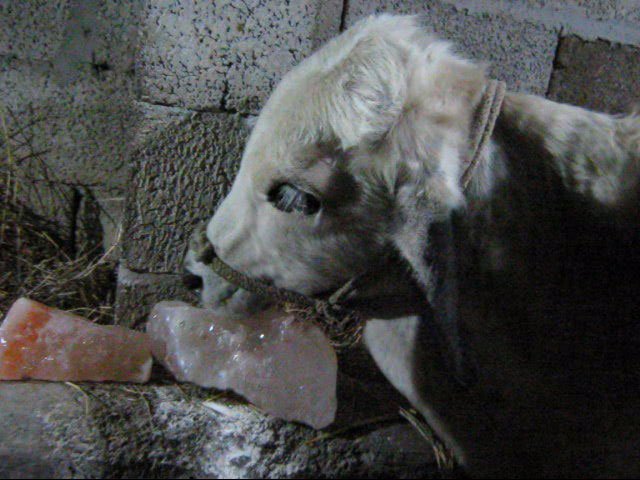
Animal feed salt is an essential mineral supplement used in livestock nutrition. It plays an important role in maintaining animal health, supporting growth, improving digestion, and maintaining proper body functions. Farmers commonly use feed salt for cattle, buffaloes, sheep, goats, and other farm animals as part of a balanced feeding program.
Providing the right amount of quality animal feed salt can help farmers maintain healthy livestock and support better farm productivity.
What Is Animal Feed Salt?
Animal feed salt is a salt product intended for use in animal feed. It mainly contains sodium chloride, which supplies two essential minerals: sodium and chloride.
These minerals help regulate fluid balance, support nerve function, assist muscle activity, and contribute to normal digestion. Depending on the product, feed salt may be supplied as fine salt, coarse salt, granules, or salt blocks.
It is important to choose feed-grade salt that is suitable for the intended animal species and is manufactured according to appropriate quality standards.
Benefits of Animal Feed Salt
1. Supports Proper Hydration
Sodium and chloride help maintain the body’s fluid and electrolyte balance. Adequate mineral intake is especially important for livestock exposed to hot weather or producing milk, although water must always be freely available.
2. Helps Maintain Healthy Growth
Animals require essential minerals for normal body functions and development. When included in a balanced diet, animal feed salt helps meet sodium and chloride requirements and supports healthy growth.
3. Supports Digestion
Chloride is required for the production of hydrochloric acid in the stomach. This acid helps create the appropriate environment for digestion, while sodium contributes to several important nutrient transport processes.
4. Supports Milk Production
Dairy cattle and buffaloes need an appropriate balance of minerals to support normal body functions and milk production. Feed salt can help meet their sodium and chloride requirements when used as part of a properly formulated dairy ration.
However, salt alone cannot increase milk production if other nutritional needs are not being met.
5. Helps Maintain Nerve and Muscle Function
Sodium and chloride contribute to normal nerve signaling, muscle function, and electrolyte balance. Providing an appropriate amount of these minerals is important for overall livestock health.
Uses of Animal Feed Salt
Animal feed salt is commonly used in several livestock feeding applications, including:
-
Dairy farming: For cattle and buffaloes raised for milk production.
-
Beef production: As part of balanced rations for growing and finishing cattle.
-
Sheep and goat farming: To supply essential sodium and chloride.
-
Poultry nutrition: As a carefully measured ingredient in formulated poultry feed.
-
Feed manufacturing: As an ingredient in commercial animal feed and mineral mixtures.
-
Salt blocks: In suitable formulations designed for particular livestock species.
The amount and method of feeding depend on the animal’s species, age, production level, diet, and overall mineral requirements.
How to Choose Quality Animal Feed Salt
Selecting good-quality feed salt is important for livestock health and farm management. Buyers and farmers should consider the following factors:
-
Purity: Choose a product that meets the required feed-grade specifications.
-
Consistent quality: Check that the salt has consistent composition and appropriate physical characteristics.
-
Cleanliness: The product should be free from harmful contaminants and unwanted foreign materials.
-
Moisture control: Proper storage and packaging help prevent excessive moisture and caking.
-
Reliable supplier: Purchase from a supplier that can provide product specifications and relevant quality documentation.
-
Suitable packaging: Packaging should protect the product during storage and transportation.
Always check the product label to confirm that the salt is intended for animal feed rather than assuming that every type of salt is suitable for livestock.
Recommended Use and Safety Precautions
Animal feed salt should be supplied according to the nutritional requirements of the intended species. Excessive salt intake can cause serious health problems, particularly when animals do not have access to sufficient fresh drinking water.
Farmers should follow these precautions:
-
Provide continuous access to clean, fresh drinking water.
-
Follow the feeding directions provided by a qualified animal nutritionist or veterinarian.
-
Consider the salt already present in the feed, mineral supplements, and drinking water.
-
Use special care with sheep, as they can be sensitive to excessive copper in some mineral supplements; sheep-specific products are preferable.
-
Avoid confusing ordinary industrial salt with a product approved for animal feed.
For commercial feed production, the salt inclusion rate should be calculated as part of the complete ration.
Animal Feed Salt for Livestock Farming in Pakistan
Livestock farming is an important part of Pakistan’s agricultural economy. Cattle, buffaloes, sheep, and goats are raised by farmers for milk, meat, and other agricultural products.
Animal feed salt can be an important component of livestock nutrition when incorporated into a balanced feeding program. Farmers and feed manufacturers should focus on product quality, appropriate mineral levels, safe storage, and reliable supply.
Local climate, animal production levels, forage quality, and the composition of other feed ingredients should all be considered when determining the correct feeding program.
Conclusion
Animal feed salt is an important source of sodium and chloride for livestock. When used correctly, it supports fluid balance, digestion, nerve function, muscle activity, and normal growth and production.
For farmers, feed manufacturers, and livestock businesses, selecting suitable feed-grade salt and using it in the correct quantity are essential steps toward responsible animal nutrition.
Choose quality animal feed salt, follow appropriate feeding guidelines, and provide clean drinking water to support healthier livestock and more effective farm management.
Frequently Asked Questions (FAQs)
1. What is animal feed salt used for?
Animal feed salt supplies sodium and chloride, which support hydration, digestion, nerve function, and normal muscle activity.
2. Which animals can use feed salt?
Suitable feed salt products can be used for cattle, buffaloes, goats, sheep, and other livestock. The correct formulation and quantity depend on the species.
3. Can animal feed salt improve milk production?
It can help meet the mineral requirements of dairy animals, but milk production also depends on feed quality, energy, protein, water, health, and management.
4. Is animal feed salt safe for all livestock?
It can be safe when the product is appropriate for the species and supplied in the correct quantity. Excessive intake or insufficient drinking water can be dangerous.
5. How should animal feed salt be stored?
Store it in a clean, dry place, protect it from moisture and contamination, and keep the packaging properly sealed.
Recent News
Animal Feed Salt: Benefits, Uses, and Importance in…
Animal Feed Salt: Benefits, Uses, and Importance in Livestock Nutrition…
Why Horses Need Salt Licks: Benefits, Uses, and…
Why Horses Need Salt Licks: Benefits, Uses, and Choosing the…